

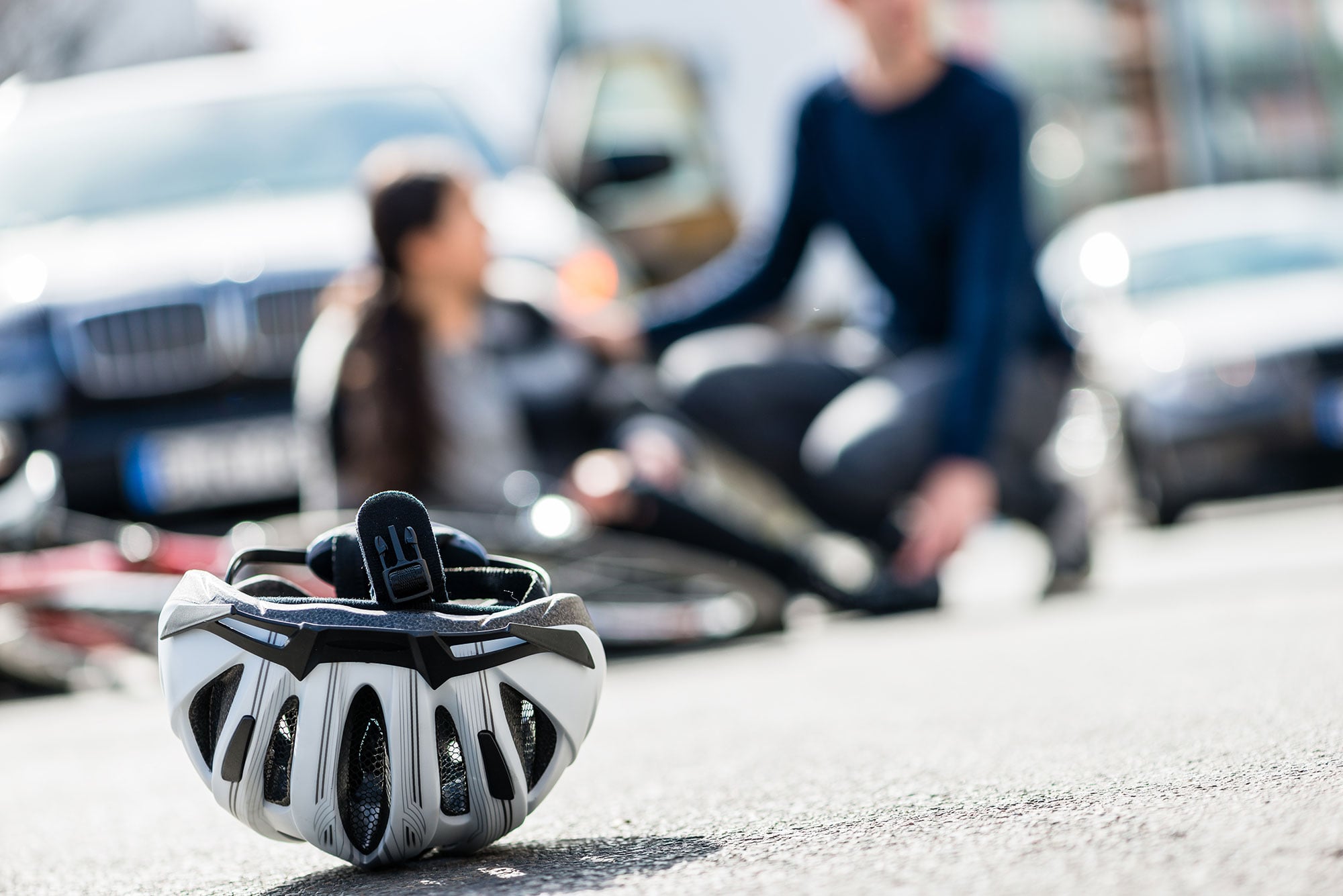
Houston is a city known for its expansive growth, vibrant economy, and sprawling roadway networks. Over the past decade, there has been a conscious push toward alternative methods of transportation, marked by the ongoing expansion of the Houston Bike Plan and municipal pledges like the Vision Zero Action Plan. More residents are choosing to pedal to work, exercise along the Buffalo Bayou paths, or ride through neighborhoods like the Heights, Montrose, and Midtown.
However, Houston’s physical infrastructure remains stubbornly centered around the automobile. The reality of sharing multi-lane arterials, major intersections, and high-speed feeder roads with multi-ton commercial trucks, delivery vans, and rushed commuters is fraught with danger.
When a bicycle collides with a passenger car or a commercial vehicle, the physics are entirely one-sided. Cyclists possess virtually no external protection, leaving them exposed to devastating, life-altering impact forces.
If you or someone you love has been struck while riding in the Greater Houston area, you are likely dealing with physical pain, overwhelming medical bills, and deep uncertainty about the future. Navigating the insurance claims process alone while trying to heal can feel impossible.
At Molina Law Firm, we believe that injured cyclists deserve dedicated, aggressive, and highly strategic legal representation. This comprehensive guide details the state of bicycle safety on Houston streets, common injuries sustained in these collisions, how Texas traffic laws apply to cyclists, and how an experienced Houston personal injury attorney can protect your rights and secure the compensation you need to rebuild.
The Reality of Bicycle Accidents in Houston: Key Statistics
To understand the scope of the problem, one must look at how Houston’s unique urban layout impacts vulnerable road users—a term transportation planners use to describe cyclists, pedestrians, and scooter riders who lack the protective metal cage of an automobile.
Local and State Trends
Data from the Texas Department of Transportation (TxDOT) and independent safety studies reveal a sobering picture:
Rising Fatality Rates: Nationwide and statewide, bicycle-related deaths have been trending upward. In Texas, pedestrian and bicyclist deaths account for approximately one in five of all traffic fatalities.
The High Injury Network: The City of Houston’s own Vision Zero data outlines a stark geographical truth. Approximately 6% of Houston’s streets account for a staggering 60% of traffic crashes resulting in serious injury or death. This “High Injury Network” is largely composed of wide, multi-lane arterial roads that cut through commercial corridors and densely populated neighborhoods.
Infrastructure vs. Risk: While the implementation of conventional, buffered, or separated bike lanes significantly reduces the overall frequency of collisions, studies indicate that proximity to bicycle infrastructure does not inherently lessen the severity of an accident when a motor vehicle is driving at high speeds or failing to yield at an intersection.
Vulnerable Sectors: Historic underinvestment in certain urban sectors has left low-income and socially vulnerable neighborhoods overrepresented in severe crash statistics. More than 52% of Houston’s High Injury Network streets run through these communities, where residents often rely on active commuting out of economic necessity rather than recreation (Grove & Lynn, 2022).
Contributing Factors to Houston Bike Crashes
Bicycle accidents rarely happen without human error or systemic negligence. Through our investigative work at Molina Law Firm, we consistently see several primary operational behaviors that lead to catastrophic collisions:
- Distracted Driving: With drivers constantly checking smartphones, navigation apps, or infotainment screens, cyclists easily fade into the background. A driver glancing down for just two seconds can travel the length of half a football field, completely missing a cyclist traveling ahead of them or waiting at a light.
- Failure to Yield at Intersections: High intersection density is a major statistical predictor of urban collision frequency. Drivers turning right across a bike lane often fail to look over their shoulder, creating a dangerous scenario known as a “right hook.” Similarly, drivers turning left at an intersection frequently misjudge the speed of an oncoming cyclist, turning directly into their path.
- The “Dooring” Phenomenon: In dense areas like Midtown or the Washington Corridor where curbside parking is common, drivers frequently open their roadside doors without checking their side mirrors. A cyclist traveling at 15 to 20 miles per hour has zero time to react when a car door swings open directly in front of them.
- Aggressive Driving and Encroachment: Texas law requires motorists to give cyclists a safe passing distance, yet many drivers aggressively tail or crowd cyclists, forcing them off the asphalt and onto broken pavement, debris, or concrete barriers.
Severe and Catastrophic Injuries Sustained in Bicycle Collisions
Unlike passengers in a vehicle, who are protected by crumple zones, seatbelts, and a complex network of airbags, a cyclist bears the full, unmitigated force of an impact. In a typical collision, the cyclist suffers a two-stage trauma: first, the primary impact with the vehicle’s bumper, hood, or windshield; second, the secondary impact when they are thrown onto the hard asphalt, a concrete curb, or into surrounding structures.
The financial, physical, and psychological costs of these injuries can linger for years, often requiring ongoing medical care and disrupting an individual’s career path.
Traumatic Brain Injuries (TBIs)
Even when a cyclist wears a high-quality, properly fitted helmet, the rotational forces and sudden deceleration of a crash can cause severe traumatic brain injuries. These injuries range from mild concussions that disrupt cognitive function for weeks to severe, irreversible brain damage that requires lifetime institutional care.
A TBI can fundamentally alter a victim’s personality, memory, executive functioning, and motor control, placing an immense emotional and financial burden on their family.
Spinal Cord Trauma and Paralysis
If a cyclist is thrown over the handlebars or struck directly from behind, the impact can fracture vertebrae or sever the spinal cord. Injuries to the thoracic or lumbar spine can lead to paraplegia, while trauma to the cervical spine (the neck) can result in quadriplegia.
The lifetime cost of modifying a home, securing specialized medical equipment, and paying for around-the-clock nursing care after a spinal cord injury easily climbs into millions of dollars.
Internal Organ Damage
Blunt force trauma to the chest or abdomen can rupture internal organs, including the spleen, liver, kidneys, and lungs. Internal bleeding is a medical emergency that may not be immediately visible at the scene of the accident but can quickly become fatal if not diagnosed and treated via emergency surgery within hours of the crash.
Complex Fractures and Orthopedic Injuries
When a cyclist naturally extends their arms to break a fall, they frequently suffer severe fractures to the wrists, radius, ulna, and clavicle (collarbone). Direct impact from a vehicle bumper commonly shatters the lower extremities, causing compound fractures to the femur, tibia, and fibula, or crushing the pelvic ring.
These injuries regularly require open reduction internal fixation (ORIF) surgeries, using metal plates, rods, and screws to rebuild the bone structure, followed by months of intensive physical therapy.
Severe Degloving and Road Rash
“Road rash” is a deceptive term that sounds like a minor scrape. In reality, when a cyclist slides across coarse asphalt at high speeds, friction strips away layers of skin, fat, and muscle tissue down to the bone.
These severe abrasions, sometimes classified as third-degree friction burns, carry an exceptionally high risk of infection. They often require treatment in a specialized hospital burn unit, extensive skin grafting, and result in permanent, painful scarring and restricted range of motion.
Texas Bicycle Laws: Rights and Responsibilities
A foundational element of any personal injury claim involving a bicycle is establishing who had the legal right-of-way. Under the Texas Transportation Code, a bicycle is legally classified as a vehicle. This means cyclists have the exact same rights to use public roadways as motorized vehicles, but they are also bound by the same duties and responsibilities.
Understanding these laws is vital because insurance companies routinely attempt to shift the blame onto the cyclist to reduce their financial liability.
Key Provisions under Texas Law
Roadway Positioning: According to Texas Transportation Code § 551.103, a person operating a bicycle on a roadway at a speed slower than the speed of the other traffic must ride as near as practicable to the right curb or edge of the roadway. However, there are critical exceptions to this rule. A cyclist may legally occupy the full lane if they are overtaking another vehicle, preparing for a left turn, avoiding road hazards (such as potholes, glass, or debris), or if the lane is too narrow for a car and a bicycle to safely travel side-by-side.
Signaling Turns: Cyclists are required to use standard hand and arm signals to alert motorists of their intent to stop, turn left, or turn right. Failing to signal can be used by an insurance adjuster to claim the cyclist made an unpredictable, negligent maneuver.
Required Equipment for Night Riding: If you ride at night, your bicycle must be equipped with a front lamp that emits a white light visible from a distance of at least 500 feet, and a red reflector or red lamp on the rear visible from up to 600 feet away. Lacking proper lighting provides defense attorneys with ammunition to argue that the driver could not reasonably see the cyclist.
The Myth of Fault in Bike Accidents
Many motorists believe that because a cyclist does not pay vehicle registration fees or fuel taxes, they have a lesser right to the road. This bias frequently bleeds into police reports and initial insurance assessments.
It is common for an investigating officer—who may not be deeply versed in bicycle-specific transportation codes—to write a report that unfairly blames the cyclist. This is why independent legal representation is crucial; your attorney’s job is to dismantle these biases using concrete evidence, reconstruction diagnostics, and the letter of Texas law.
How a Personal Injury Lawyer Can Help Secure Your Recovery
In the wake of a serious bicycle collision, the playing field between an injured individual and a multibillion-dollar insurance corporation is fundamentally uneven. Insurance adjusters are trained professionals whose primary goal is to minimize payouts and preserve their company’s bottom line. They may call you shortly after the accident, acting empathetic, while attempting to record a statement that can be used to twist your words and deny your claim.
Retaining a dedicated Houston personal injury lawyer from Molina Law Firm balances the scales. We handle the legal machinery so you can focus entirely on your physical rehabilitation.
Comprehensive Accident Investigation
Evidence in a traffic accident is highly volatile; skid marks fade, weather conditions change, vehicle damage gets repaired, and witnesses forget crucial details.
We act quickly to preserve the integrity of your case by deploying investigators to secure traffic camera or nearby commercial security footage, download black-box data from the striking vehicle, identify and interview eyewitnesses, and analyze cell phone records to prove distracted driving.
Utilizing Accident Reconstruction Experts
In complex cases where liability is disputed, we collaborate with certified accident reconstruction engineers. These experts use physics, vehicle dynamics, and spatial mapping technology to recreate the sequence of events leading up to the crash.
They can definitively establish variables such as the vehicle’s speed, braking patterns, point of impact, and whether the driver had sufficient time and visibility to avoid striking the cyclist.
Calculating the True Value of Your Damages
An insurance company’s initial settlement offer is almost always a lowball figure designed to close the file quickly before the full extent of your medical costs is realized.
We work alongside your treating physicians, orthopedic specialists, economists, and life-care planners to accurately project the lifetime financial impact of your injuries. This comprehensive evaluation includes:
- Immediate and Future Medical Expenses: Emergency room fees, surgical costs, intensive care stays, prescription medications, future corrective surgeries, and lifelong physical or occupational therapy.
- Lost Wages and Diminished Earning Capacity: Compensation for the time you missed from work while healing, as well as the long-term financial loss if your injuries prevent you from returning to your career or performing at your previous professional capacity.
- Pain, Suffering, and Mental Anguish: Quantifying the non-economic damages, such as chronic physical pain, loss of enjoyment of life, severe anxiety, and Post-Traumatic Stress Disorder (PTSD) stemming from the violent nature of the crash.
Negotiating with Insurance Adjusters and Corporate Litigation
We manage all communications, documentation submissions, and negotiations with the insurance companies involved. If the insurer refuses to offer a fair settlement that covers your losses, Molina Law Firm is fully prepared to transition your case from an administrative insurance claim into a formal civil lawsuit, taking your case before a Houston jury to fight for the justice you deserve.
Step-by-Step Guide: What to Do Immediately After a Bicycle Accident
The actions you take in the minutes, days, and weeks following a bicycle crash can profoundly affect both your health and the viability of your future legal claim. If you are physically capable of doing so at the scene, execute the following steps:
1. Call Emergency Services Immediately
Dial 911 to request an ambulance and dispatch the Houston Police Department or Harris County Sheriff’s Office. Ensure an official police crash report is generated. Even if the driver apologizes and asks to settle the matter privately without involving the police, do not agree. Their attitude frequently changes once they leave the scene and speak with their insurance carrier.
2. Document the Scene Extensively
If your injuries allow, use your smartphone to take comprehensive photos and videos of the scene. Photograph your bicycle from multiple angles to show the points of impact, the vehicle’s damage, any visible skid marks, road hazards, traffic signs, weather conditions, and your personal injuries.
3. Exchange Contact and Insurance Information
Collect the driver’s full name, telephone number, driver’s license number, license plate, and auto insurance policy details. If there are bystanders who witnessed the collision, secure their names and phone numbers before they leave the area. Their unbiased statements can be the cornerstone of a successful liability argument later.
4. Seek Immediate Medical Evaluation
Go to the nearest emergency room or urgent care center, even if you believe your injuries are minor or that you are just shaken up. The surge of adrenaline immediately following a traumatic event can mask severe pain and symptoms of internal bleeding, soft tissue damage, or a traumatic brain injury.
Furthermore, a delay in seeking medical care creates a gap in treatment that insurance adjusters will use to argue that your injuries were not caused by the accident or are not as severe as you claim.
5. Preserve All Physical Evidence
Do not repair or wash your bicycle, helmet, or torn clothing. Keep them exactly as they were at the moment of the crash. These items serve as crucial physical evidence that can tell an undeniable story about the angle and force of the impact.
6. Speak with an Attorney Before Corporate Adjusters
Do not give a recorded statement to any insurance adjuster, do not sign any authorizations or release forms, and do not post about the accident on social media platforms. Contact an experienced personal injury attorney at Molina Law Firm to review your case and protect your interests from day one.
Frequently Asked Questions (FAQ)
What if I was partially at fault for the bicycle accident? Can I still recover compensation?
Yes, you can still seek financial recovery under Texas’s modified comparative negligence law, often referred to as the 51% Bar Rule. Under this legal framework, you can recover damages as long as your percentage of responsibility for the collision does not exceed 50%.
However, your final financial award will be reduced by your exact percentage of fault. For example, if a court determines that a distracted driver was 80% at fault for hitting you, but you were 20% at fault because you failed to use a hand signal, a $100,000 verdict would be adjusted downward to $80,000.
Because insurance defense lawyers aggressively try to push the cyclist’s allocation of fault above the 50% threshold to bar recovery entirely, having a skilled attorney to counter their narratives is vital.
How long do I have to file a bicycle accident lawsuit in Houston, Texas?
In Texas, the statute of limitations for personal injury claims—including bicycle accidents—is two years from the exact date the incident occurred. Failing to file a formal lawsuit in the appropriate civil court before this strict two-year window closes means you permanently forfeit your legal right to pursue compensation for that specific accident.
While two years may seem like a long time, building a robust, trial-ready case requires extensive medical documentation, expert analysis, and thorough investigation. It is always advantageous to involve an attorney as early as possible.
What if I am hit by a driver who flees the scene (Hit-and-Run) or lacks auto insurance?
Hit-and-run accidents are tragically common in the Greater Houston metropolitan area. If the police are unable to locate the fleeing driver, you are not necessarily without legal options. You can file a claim under your own auto insurance policy if you carry Uninsured/Underinsured Motorist (UM/UIM) coverage.
Even though you were on a bicycle rather than inside your car, your UM/UIM policy applies to you as a pedestrian or cyclist struck by an uninsured or unidentified motorist. Because these claims still require you to prove the at-fault driver's negligence to your own insurance provider, having legal counsel guide you through the process is highly beneficial.
The insurance company offered me a quick settlement check. Should I accept it?
No. You should never sign a settlement release or accept a check from an insurance provider without having a personal injury attorney review your case first.
Once you sign a release form, your claim is settled permanently. If you discover weeks or months later that you need an additional orthopedic surgery, or if your doctor informs you that your back injury will cause chronic, permanent limitations, you cannot go back to the insurance company to ask for more money.
A quick settlement is a strategic tactic used by insurers to resolve a claim for pennies on the dollar before the victim understands the full long-term financial scope of their medical needs.
Partner with an Experienced Houston Bicycle Accident Attorney
A serious bicycle accident can derail your life in an instant, leaving you to contend with physical trauma, emotional stress, and structural financial strain. At Molina Law Firm, we recognize that you are not just a case number. You are a neighbor, a professional, a family member, and a person whose life has been disrupted by someone else’s negligence.
Our firm combines deep knowledge of Texas traffic codes with an aggressive approach to corporate insurance litigation. We handle every phase of your case—from gathering volatile evidence and managing aggressive adjusters to constructing expert-backed litigation strategies—allowing you to dedicate your energy fully to your health and your family.
If you or a loved one has suffered injuries while riding on Houston streets, do not face the corporate insurance machines alone. Contact Molina Law Firm today to schedule a comprehensive, no-obligation consultation. We work on a contingency-fee basis, which means you pay absolutely no upfront costs or legal fees unless we successfully win or settle your case. Let us fight to secure the compensation you need to move forward.
